The practical answer.
Build a realistic coin-cell evaluation around standby current, transmission pulses, temperature and the equipment cutoff voltage.
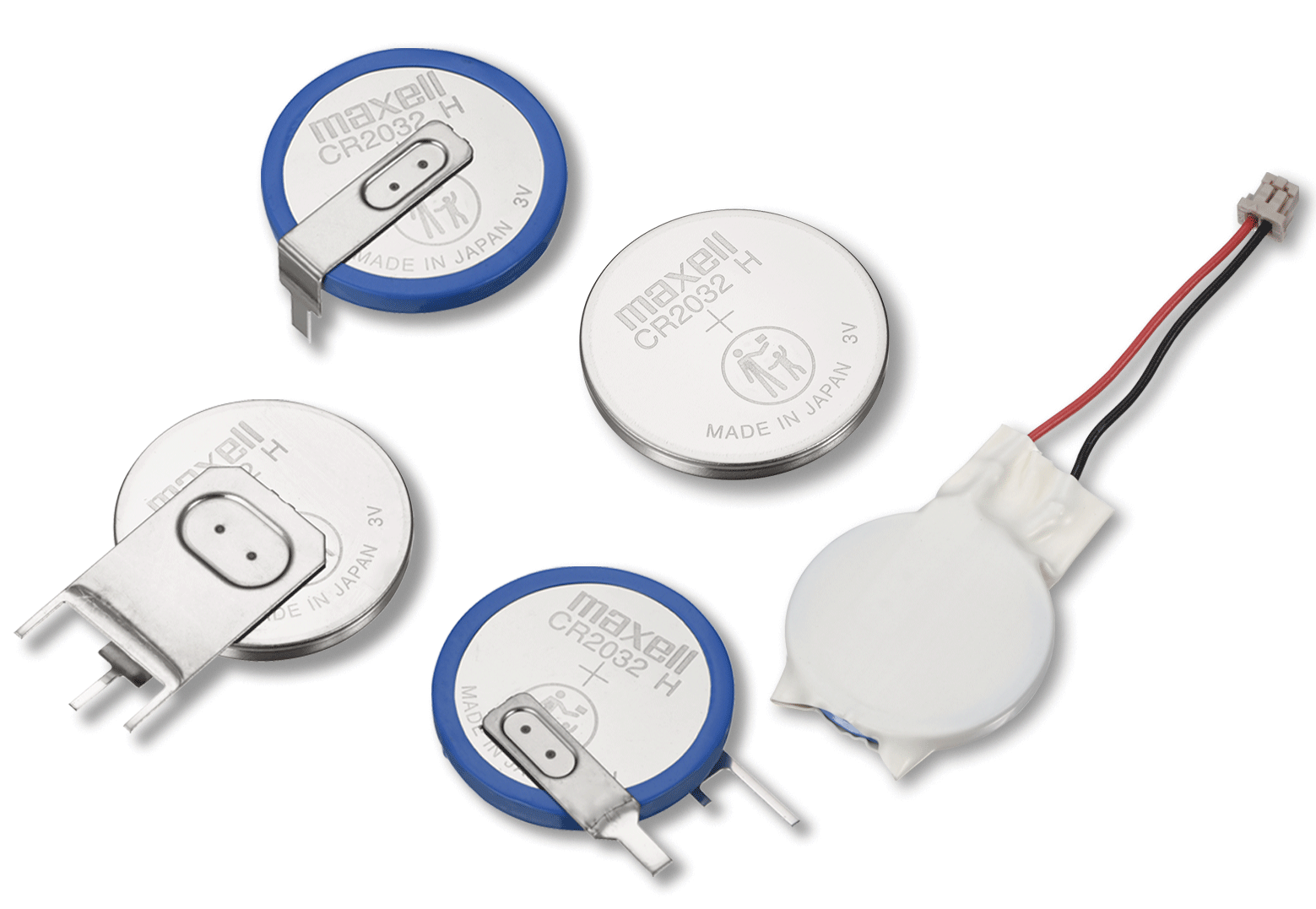
Begin with a complete duty cycle
Small electronic products often draw very little current between brief activities. A sensor may sleep, take a measurement and transmit, then return to standby. Record each state, its current and duration, and how frequently it occurs. Include startup and unusual but permitted events. This is more informative than a single average current value because short pulses can influence whether the electronics stay above their operating threshold. A measured trace from the device gives the supplier a useful starting point for evaluation.
Use arithmetic as an initial estimate
For a simple planning example, a continuous 10 microamp load consumes 0.24mAh in one day before other effects are considered. Real devices may add pulse consumption, leakage and conversion losses. Dividing rated capacity by an average current can help establish scale, but it cannot by itself promise service life. The cell's capacity rating has test conditions and an endpoint. Explain the assumptions behind the calculation and identify which ones need measurement in the actual product before using the estimate in a commercial specification.
Check voltage during the pulse
The equipment can stop working if voltage falls below its acceptable level during a brief high demand, even when some capacity remains. Ask for cell data relevant to the proposed pulse profile and temperature. Test the complete circuit using the selected holder or terminal assembly. Record the equipment's reset and brownout behavior as well as the cell voltage. If the circuit uses supporting energy-storage components, their contribution must be assessed by the design team rather than assumed to make every coin cell suitable.
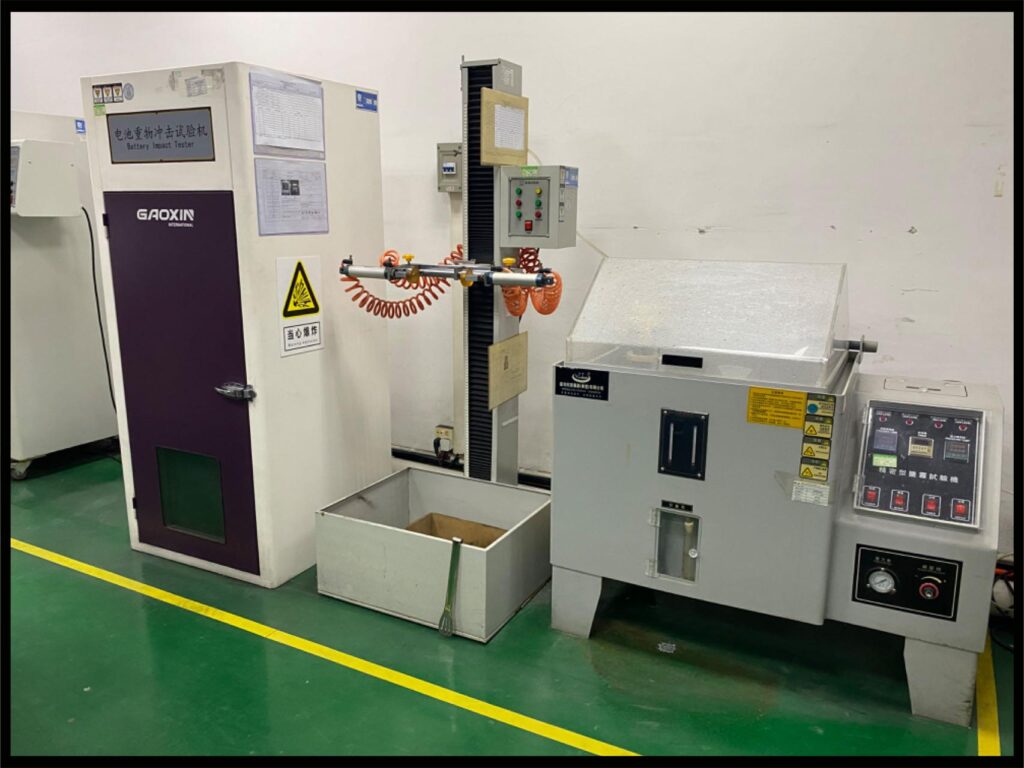
Account for environment and time
A device left in storage before installation does not begin its service life under the same conditions as a freshly tested laboratory unit. Include expected storage duration, installed temperature and replacement interval in the requirements. Ask the cell supplier for the relevant storage guidance and long-term performance evidence. Avoid turning a family-level statement about low self-discharge into a guaranteed lifetime for the equipment. The whole circuit, actual load, environment and acceptable end-of-service threshold determine the useful result.
Define a meaningful verification plan
Agree a test method that reproduces the important device states and monitors voltage at the right moments. Identify the cell model, lot, circuit version and test temperature. Use the results to revise the runtime estimate and reserve assumptions. For production procurement, confirm that the delivered cell and terminal configuration match the evaluated version. Keep coin cells securely handled and inaccessible to children during testing and disposal. A documented device-specific evaluation is a stronger purchasing basis than selecting solely from a nominal capacity ranking.
Bring these points into the inquiry.
Use the checklist to organize a project discussion, then request the exact model specification, drawing and relevant evidence.
| Review point | Information to agree with the supplier |
|---|---|
| Identify chemistry and format | Similar-looking coin cells may have different chemistries and voltage characteristics. Use the exact model designation. |
| Review pulse behavior | A nominal capacity figure alone does not describe voltage response under short current pulses. |
| Confirm the mounting interface | Specify a holder or supplier-approved tab assembly, polarity and mechanical drawing before ordering. |
Sources & further reading
AI-assisted procurement education. Confirm project-specific limits, documentation and suitability with the responsible supplier and product team.
Prepared for the coin cell batteries collection. General engineering guidance does not replace a model-specific datasheet or application validation. Source review: 4 November 2026.